The Redacted Case Study: Proving You're Good When Clients Won't Be Named
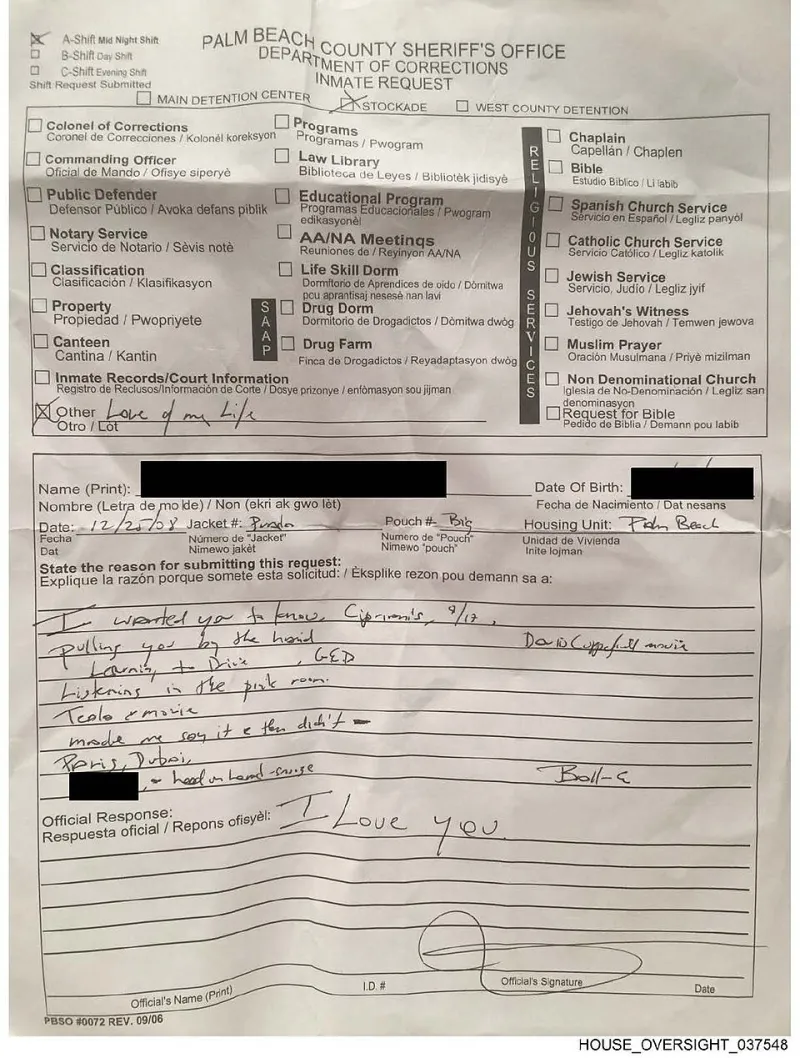
Photo: Unknown authorUnknown author, Public domain, via Wikimedia Commons
Every UK service firm has the same page problem eventually. The best project of the last three years went to a client whose procurement team sends a polite but immovable email: no names, no logos, no screenshots, no mention. So the portfolio page gets filled with three old logos and a paragraph of adjectives.
The work is real. The page says nothing.
The wall of logos problem
Start with an uncomfortable truth: logos are weak proof anyway. A logo demonstrates that a meeting happened and an invoice was paid. It doesn't demonstrate that the work worked. Buyers in sectors where NDAs are standard — defence, pharma, financial services, anything involving a PLC procurement department — already know this. An absence of logos isn't a red flag to them; they have the same constraints on their own suppliers.
What they want is evidence of judgement. You can supply that without saying who.
Anonymity has a shape
'A leading UK retailer' is meaningless. 'A 40-store fashion retailer headquartered in the Midlands, 600 staff, replacing a 2014 stock system' is a case study. Specificity survives anonymisation: sector, size, region, timescale, budget band, the system you replaced, the team you worked alongside.
The line to walk is simple. Recognisable to a peer. Not attributable by a competitor who could ring round and cause trouble. If a detail would make the client wince reading it over your shoulder, cut it.
Artefacts beat adjectives
A redacted artefact does more work than a paragraph of claims. Photograph or capture the things that exist because you were there:
- A screenshot of the old site with the figures blurred out, beside the new one.
- The Gantt chart from week one, names stripped.
- A single page of the report you delivered, blacked out in the right places.
- The wireframe that got rejected, with a note on why.
- A photo of the workshop, or the yard, or the shelf of parts.
- The twelve-line specification that replaced a forty-page one.
None of these reveal a client. All of them reveal a method. A buyer scanning your page learns more from a blurred before-and-after than from the word 'bespoke' used four times.
Sector-level outcomes
If you can't talk about one client, talk about a cohort. 'Across nine manufacturing clients since 2023, median time from enquiry to quote fell from four days to one.' Aggregate the numbers, round them honestly, and state the sample size. Add a caveat if the sample is small — small samples honestly described are more persuasive than big claims vaguely made.
This is the one piece of portfolio content most SMEs never produce, and it's usually sitting in a spreadsheet already.
The ask: a script that gets a yes
Most clients say no because nobody asked properly. Or because the ask sounded enormous: a logo, a quote, a photoshoot, sign-off from legal. Ask for something small, specific, pre-drafted and easy to refuse, and the answer changes.
Subject: Quick permission request — one sentence, no logo needed
Hi [name],
We're putting together a portfolio page and I'd rather ask than assume. Would you be comfortable with us publishing a short, anonymised summary of the [project] — something like:
'[Sector] client, [size], [region]. Rebuilt the [system/process] over [timescale]; [outcome].'
No name, no logo, nothing commercially sensitive. You'd see the final wording before it goes anywhere, and we'll take it down if you change your mind.
If it's easier to say no, that's genuinely fine — just reply 'no' and I'll leave it.
Thanks, [Name]
Three things make that work. It's small. It arrives with the wording already written. And it offers a one-word exit, which removes the awkwardness that causes most refusals. A fair number of clients say yes to the anonymised version when they'd have said no to a logo.
Then keep the reply. An email saying 'yes, that's fine' is your record. If the client is later acquired and the new marketing team objects, you have a paper trail — and a removal request you should honour without argument.
What discretion buys you
There's a positioning gift hiding in all this. A firm that says 'we don't discuss client names — here's exactly what we did and what changed' reads as more senior than a firm with a logo wall last updated in 2016. Discretion, backed by specifics, signals the kind of work you take and the kind of people you work with.
It also quietly reassures the prospect reading your page. If their own name later appears there, they now know how you'll handle it.
A page skeleton
Six cards, each with the same five lines: who the client was in the abstract; the mess before; what you changed; the result with a number and a date; the artefact. Add a reason for the anonymity — 'names withheld under NDA' — because otherwise readers assume there's nothing to name.
At the bottom, one line: 'References available under NDA on request.' Then have two referees briefed and willing, because a surprising number of prospects will take you up on it.
A thin portfolio is usually a paperwork problem, not a marketing problem. The work exists. The permission doesn't. Sort the second one and the first one fills itself in.